Photo by Max Vakhtbovych

Keyboard Tray Comparison: Best Under-Desk Picks for 2026

Quick Answer: Buy a keyboard tray if your elbows sit above your keyboard. The best trays drop the keyboard 1 to 3 inches below elbow height and tilt the front edge down 10 to 15 degrees. Look for at least 4 inches of height travel, 19 to 30 inches of platform width, and a 5-year or lifetime warranty. Desk height is fixed. Your body is not. That mismatch is the most common reason a home office hurts, and a keyboard tray is the cheapest way to fix it without replacing furniture. When your keyboard sits on top of a 29-inch desk, your shoulders creep upward and your wrists bend backward to reach the keys. OSHA’s ergonomics guidance puts the keyboard at or slightly below elbow height, with wrists straight and shoulders relaxed rather than shrugged. A tray drops the keys 1 to 3 inches below the desktop and adds negative tilt, the front-edge-down angle that keeps your wrists flat instead of cocked back. If you are rebuilding a workspace from scratch, start with our how to set up an ergonomic workstation guide, then come back here for the tray itself. ...
September 16, 2026 · 18 min · Jarrod Gravison
Photo by Alpha En

UPLIFT Desk ASR Error: Causes, Fixes, and Repair Options

Quick Answer: An ASR error on a UPLIFT desk means the anti-collision system sensed resistance and reversed the desktop. Clear the area under the desk, unplug the power supply for 60 seconds, then hold the down button until the desk reaches its lowest point and keeps holding for 10 to 15 seconds to recalibrate. Your UPLIFT desk beeps, jerks a few inches, then stops and reverses. The keypad reads ASR. Nothing is under the desk. You press up again and the same sequence plays out. This is one of the most common complaints from standing desk owners, and it is almost never a sign that the desk is dead. ASR is a safety response, not a crash. The control box sensed unexpected resistance during travel and cut the motors before something bent or someone got pinched. Knowing what the box is reacting to tells you whether you need a two-minute reset or a replacement part. ...

September 16, 2026 · 16 min · Jarrod Gravison
Photo by Alpha En

Grovemade Desk Review: Is the Wood Desk System Worth It?

Quick Answer: Grovemade builds the desk shelf, monitor stand, keyboard tray, and desk pad you see in every styled home office photo. The wood and leather look is real, and the ergonomics are sound if you get the height right. Buy it for the shelf and pad. Skip the keyboard tray if you already use a monitor arm. Grovemade is a Portland workshop that turned a walnut desk shelf into one of the most photographed objects in the home office world. Search for a desk setup on any social platform and the same silhouette shows up: a solid wood shelf raised on slim legs, a monitor sitting on top, a keyboard tucked underneath in a shallow drawer, and a strip of wool felt or vegetable-tanned leather running the width of the desk. It looks calm. It looks expensive. The real question for anyone building a workstation is whether that silhouette holds up when you measure it against ergonomic guidelines. In most cases it does, with one or two caveats you need to plan for before you spend. Start with our how to set up an ergonomic workstation guide if you want the measurements first. ...

September 15, 2026 · 16 min · Jarrod Gravison
Photo by McFollis

Best Uplift Desk Accessories for Ergonomic Workstations

Quick Answer: The best Uplift Desk accessories depend on your workstation gaps. Start with an adjustable keyboard tray and a monitor arm if you have neck or wrist strain. Add a bamboo Motion-X board for active standing and a wire management tray to reduce clutter. Budget about $250 to $350 for a full accessory upgrade. Uplift Desk makes height adjustable standing desks, but the desking surface is only one part of the workstation equation. Accessories such as keyboard trays, monitor arms, and cable managers determine whether your neck, wrists, and lower back remain neutral throughout the day. Uplift Desk accessories are built to fit Uplift frames precisely, though many of them mount to standard desktops as well. This matters because a poorly positioned monitor can force forward head posture, and a keyboard sitting on top of a fixed desk can keep shoulders elevated. The Canadian Centre for Occupational Health and Safety advises that input devices and display screens should be positioned to reduce static loading and awkward postures. If you are building a new office around an Uplift desk, our best standing desks 2026 guide will help you pick the right base before accessorizing. ...

September 12, 2026 · 13 min · Jarrod Gravison
Photo by Alpha En

Best Standing Desk Treadmills 2026: A Complete Comparison

Quick Answer: The best standing desk treadmill for most people is the WalkingPad C2. It folds flat, fits under a standard standing desk, and reaches 3.72 mph. Runners or taller users should choose the LifeSpan TR1200-DT3 for its larger belt and higher weight capacity. Budget buyers can start with the Goplus 2 in 1. Sitting all day is a proven risk factor for back pain, stiff hips, and reduced energy. A standing desk treadmill offers an alternative: a slow walking surface that fits under your desk and lets you move while you work. The Canadian Centre for Occupational Health and Safety recommends changing postures often. Walking at 1 to 2 mph is enough to increase blood flow without making your hands bounce. This category has grown from bulky commercial units to slim folding pads that fit under small electric desks. Before you buy, check our back pain from sitting guide to understand why movement matters. ...

September 11, 2026 · 12 min · Jarrod Gravison
Photo by Minh Phuc

What Is a Riser Desk? 5 Best Sit-Stand Options Compared

Quick Answer: A riser desk is a height-adjustable platform that sits on top of your existing desk, letting you alternate between sitting and standing without replacing the desk. The best options keep monitors and keyboards stable at standing height. Our top picks include the VariDesk Pro Plus 36 for stability and the FlexiSpot M2B for budget. A riser desk, often called a standing desk converter or sit-stand riser, sits on top of a standard desk and raises your monitors, keyboard, and mouse to standing height. It lets you keep the desk you already own. That matters because replacing an entire desk costs more, takes more space, and often creates waste. OSHA (Ergonomics) recommends varying postures throughout the workday instead of remaining seated for hours. A riser desk makes that shift faster because you lift a platform rather than rearrange your workspace. Many desk workers buy one after noticing neck, shoulder, or lower back stiffness during long afternoons. ...

September 11, 2026 · 11 min · Jarrod Gravison
Best Footrests for Office Chairs 2026 for Seated Posture

Best Footrests for Office Chairs 2026 for Seated Posture

Quick Answer: The best footrest for seated posture keeps your feet flat and your knees near 90 degrees when your chair seat cannot lower enough. For most desk workers, a firm foam wedge, an adjustable rocker, or a height-adjustable platform works best. Look for a nonslip surface, stable base, and enough width to support both feet comfortably. Sitting with your feet dangling or tucked under a chair puts extra load on your thighs, hips, and lower back. Many office chair users never realize that the seat pan height is the first thing to check before adding a footrest. The right seat height lets your feet rest flat on the floor while your knees stay level with your hips. When that is not possible, a footrest becomes a primary support tool. This guide covers the best footrests for office chairs in 2026 and how to position one for seated posture. It pairs well with our best ergonomic chairs 2026 guide. ...

September 11, 2026 · 10 min · Jarrod Gravison
Photo by Alpha En

Best Gaming Desks 2026: Ergonomic Options for Long Sessions

Quick Answer: The best gaming desk for most people is a height-adjustable model with at least 25 inches of depth and a sturdy steel frame. Look for a 27 to 47 inch height range, monitor space for dual screens, and built-in cable management. Our top pick is the Secretlab Magnus Pro for its integrated power and clean cable tray. A gaming desk looks like a regular desk until you spend six hours at one. Most budget models force your keyboard to a fixed height, push your monitor into your neck, and leave cables in a knot. The result is shoulder blade pain, forearm fatigue, and lower back stiffness that has nothing to do with your chair. At ErgonomicOffice we treat the desk as the foundation of a neutral working posture, whether you are grinding ranked matches or writing code. Our baseline guidance comes from OSHA ergonomics recommendations for reducing awkward postures at computer workstations. A desk that cannot adjust forces your body to adapt, and that adaptation usually means strain. ...

September 10, 2026 · 14 min · Jarrod Gravison
Photo by Pawan Bhandari

Autonomous Desk Comparison: 5 Models for Ergonomic Workstations

Quick Answer: The best Autonomous desk for most people is the SmartDesk Pro. It balances a 310 lb lift capacity, 26 to 52 inch height range, quiet dual motors, and a five-year frame warranty for around $499. Budget-focused buyers should look at the SmartDesk Core. Larger workspaces will get more from the SmartDesk Corner. Autonomous desks have become a default answer for home office upgrades. The brand splits its lineup into Core, Pro, Corner, and Connect models, each with different height ranges, lift capacities, and desktop sizes. You do not need to guess which one fits your body and gear. The wrong desk height range leaves tall users stooping and short users reaching. Both situations create upper back and neck strain. OSHA recommends workstations that fit the worker, not the other way around. I tested the major Autonomous sit-stand desks and compared specs that actually matter: adjustability, motor strength, stability, warranty, and price. This comparison skips marketing fluff and focuses on measurable performance. ...

September 8, 2026 · 14 min · Jarrod Gravison
Photo by Alpha En

Standing Desk Cable Management: 5 Solutions Compared

Quick Answer: The best standing desk cable management depends on your desk type. Under-desk steel trays handle power strips and long runs. Cable spines flex with sit-stand movement. Adhesive clips and raceways suit rental or budget setups. Plan for cable slack at maximum standing height, and secure power strips off the floor. When a standing desk rises from 28 inches to 46 inches, every cable that was loosely coiled under the desk becomes a moving hazard. The monitor cable that cleared the floor while sitting can snag a chair, yank a display, or swing into your knee. The power strip that lived against the wall may now dangle from the frame. This is not just clutter. It is a real ergonomic problem. The OSHA ergonomics guidance makes clear that workplace layout should reduce awkward postures, reaching, and obstacles. A cable tangle under a sit-stand desk creates all three. You bend, twist, and kick cords out of the way. Over a workday, that adds up. ...

September 8, 2026 · 12 min · Jarrod Gravison
Photo by Alpha En

Fully Jarvis Standing Desk Comparison: 5 Models Rated

Quick Answer: The Fully Jarvis Bamboo 48 by 27 inch desk is the best overall pick for most people. It adjusts from 24.5 to 50 inches, lifts 350 pounds, and carries a 7-year warranty. Choose Laminate to save money, the 60 by 30 inch bamboo for more surface, L-Shaped for corners, or Frame Only for a custom top. Fully Jarvis desks have become a default answer for workers who want a reliable sit-stand workstation without paying Herman Miller or Steelcase premium prices. The brand, now part of Herman Miller, builds the Jarvis around twin motors, a 350-pound lift capacity, and a 24.5 to 50 inch height range. I see dozens of desks a year, and the Jarvis still holds up because it balances stability, warranty length, and price. If you are setting up a home office in 2026, the sit-stand decision matters. The OSHA ergonomics guidance makes clear that staying in one posture all day creates risk. A desk that moves with you reduces that risk. ...

September 8, 2026 · 11 min · Jarrod Gravison
Best Standing Desk Mats 2026: Top 5 Anti-Fatigue Compared

Best Standing Desk Mats 2026: Top 5 Anti-Fatigue Compared

Quick Answer: The best standing desk mat overall is the Ergodriven Topo for its calculated terrain zones that promote subtle foot movement. Budget-focused shoppers should look at the Gorilla Grip Original. Choose a mat at least 0.75 inch thick on hard floors, with beveled edges to prevent tripping. A standing desk fixes one problem but can create another. Standing on a hard floor for two hours moves discomfort from your hips to your feet, knees, and lower back. Cornell University Ergonomics Web notes that anti-fatigue mats reduce lower-limb discomfort on hard surfaces, but they are a supplement, not a replacement for movement. The right mat should cushion pressure points and encourage small shifts in foot position. I reviewed five popular mats used with the best standing desks 2026 to separate real support from thick foam. For most desk workers, that support layer is the missing piece. ...

September 6, 2026 · 11 min · Jarrod Gravison
Best Webcams for Home Office 2026: Top Picks for Video Calls

Best Webcams for Home Office 2026: Top Picks for Video Calls

Quick Answer: The Logitech MX Brio is our top overall webcam for home office in 2026. Buy the Insta360 Link 2 if you want AI tracking, the Anker PowerConf C200 if you want 2K on a budget. Pair any webcam with proper monitor height to reduce neck strain. The home office video call is no longer a novelty. In 2026, it is the default way we interview, present, and collaborate. A poor webcam makes you look unprofessional and forces colleagues to squint. More importantly, a camera placed too low can push your gaze downward, which adds neck and eye strain over a workday. We evaluate webcams by image quality, microphone clarity, and low-light behavior because those factors determine how you show up on screen. Use our eye strain guide to manage screen fatigue while you compare models. The right webcam does not fix a bad workstation, but it removes one common source of poor meeting experiences. ...

August 16, 2026 · 11 min · Jarrod Gravison
How to Create the Best Ergonomic Dual Monitor Setup

How to Create the Best Ergonomic Dual Monitor Setup

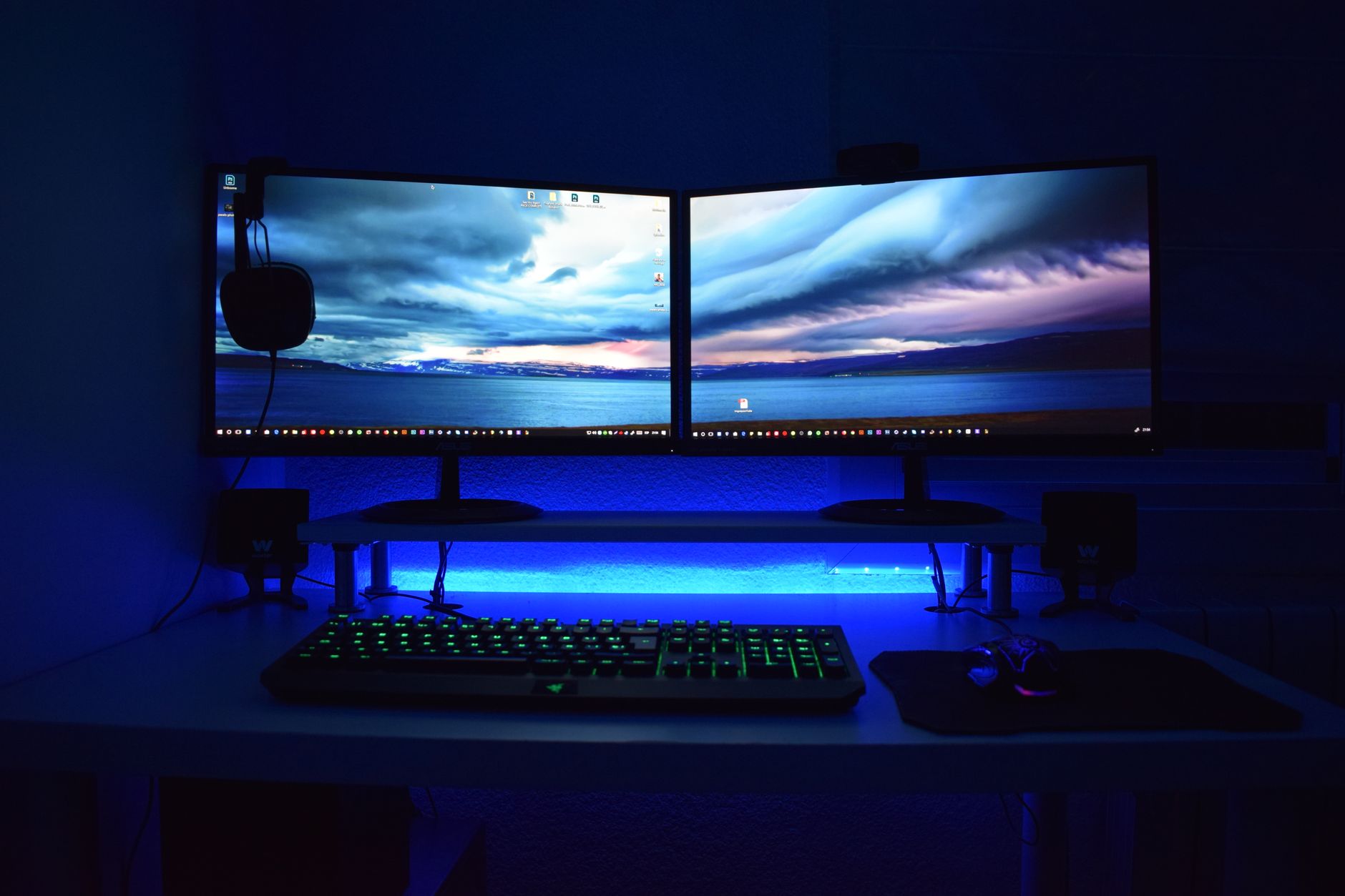
Quick Answer: Place the primary monitor directly in front of you at 20 to 30 inches away, with the top of the screen at or slightly below eye level. Angle the secondary monitor next to it so both screens form a shallow arc. Use monitor arms to adjust height, depth, and tilt independently. This reduces neck rotation and strain. Dual monitors can double your screen space, but they can also double your neck problems if they are arranged like a wall of glowing panels. Most desk workers place two monitors side by side and then spend the day rotating or tilting the head to see the screen edges. This creates uneven loading on cervical muscles and can trigger tension, headaches, and chronic neck strain. A proper dual monitor setup makes the screens work around your neutral posture, not the other way around. Before you buy or mount anything, review the full ergonomic workstation guide to understand how your chair, desk, keyboard, and monitors interact. ...

August 16, 2026 · 15 min · Jarrod Gravison
How to Set Up an Ergonomic Workstation a Physical Therapist Recommends

How to Set Up an Ergonomic Workstation a Physical Therapist Recommends

Quick Answer: Set your chair so feet rest flat and knees bend near 90 degrees. Position your monitor an arm's length away with the top of the screen at eye level. Keep your elbows close to your body and wrists neutral. Take a 1 to 2 minute microbreak every 30 minutes. These habits reduce neck, back, and wrist strain at your desk. As a physical therapist, I see desk workers who have tried expensive chairs and still struggle with back pain. The missing piece is usually not the product. It is the setup. Your body needs alignment, movement, and support at the same time. This guide walks through every station adjustment from the floor to the screen. If you already have persistent pain, start with our back pain from sitting guide. ...

August 16, 2026 · 17 min · Jarrod Gravison
Eye Strain from Computer Screens: The Complete Relief Guide

Eye Strain from Computer Screens: The Complete Relief Guide

Quick Answer: Eye strain from computer screens, or computer vision syndrome, improves when you change focal habits, screen position, brightness, and ambient light. Follow the 20-20-20 rule every 20 minutes, keep the screen slightly below eye level, match brightness to the room, and blink more often. Small changes usually bring fast relief. Computer eye strain, also called digital eye strain or computer vision syndrome, is a group of vision-related problems that result from prolonged screen use. Many desk workers describe the same cluster of symptoms: tired, dry, or burning eyes, blurred vision, headaches, and neck or shoulder discomfort. The Mayo Clinic notes that staring at a digital screen reduces your blink rate, which can leave the surface of the eye unprotected and dry. The problem is widespread. The Canadian Centre for Occupational Health and Safety reports that visual discomfort is one of the most common health complaints among computer operators. Understanding why your eyes hurt is the first step toward relief. ...

August 16, 2026 · 12 min · Jarrod Gravison
Ergonomic Mouse for Carpal Tunnel: Vertical, Trackball, and Sculpted

Ergonomic Mouse for Carpal Tunnel: Vertical, Trackball, and Sculpted

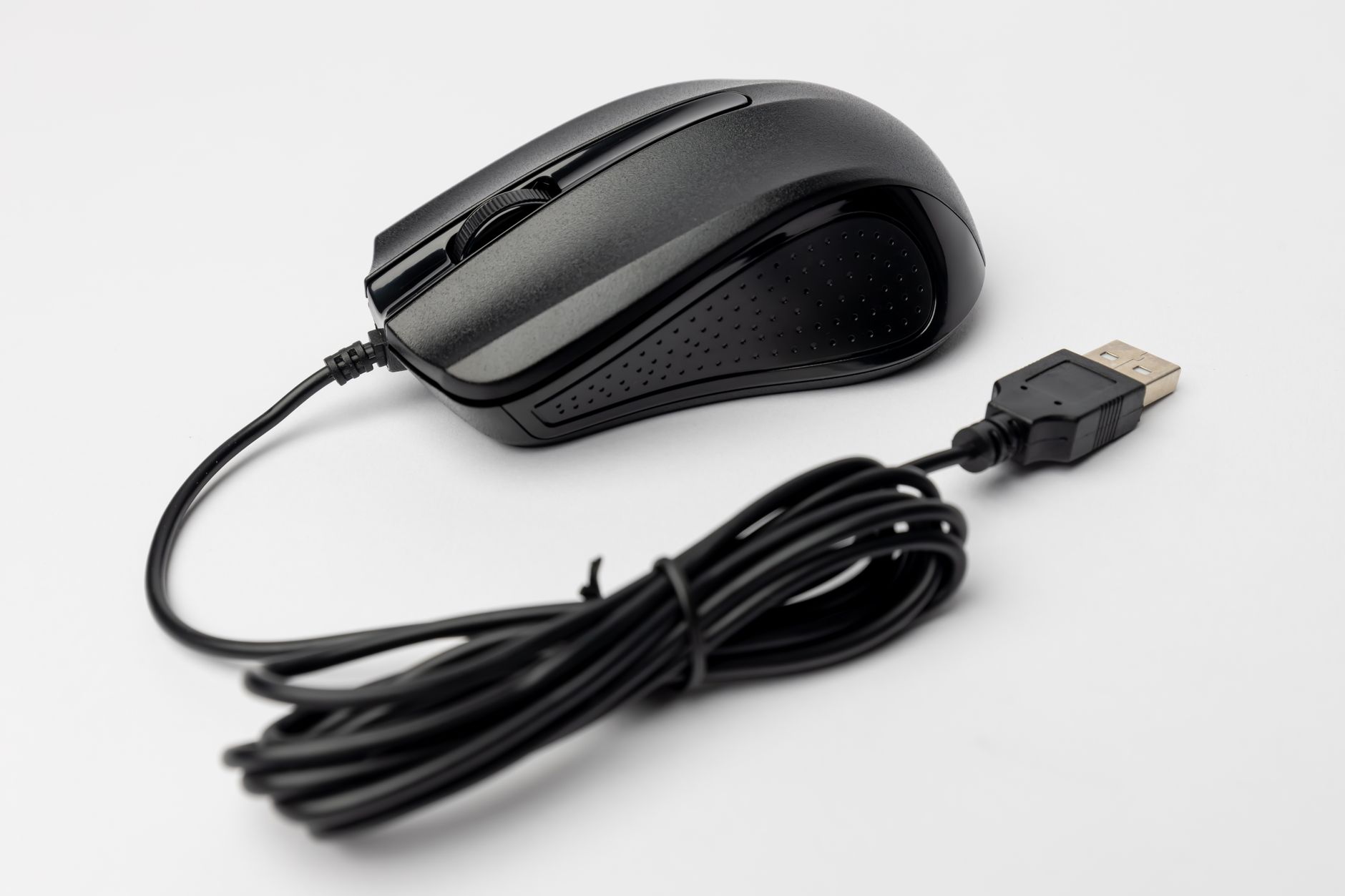
Quick Answer: A vertical mouse with a 57° to 63° angle or a trackball can reduce wrist strain for many desk workers with carpal tunnel symptoms. The Logitech MX Vertical is the best overall vertical pick, while the MX Ergo removes arm movement. Pair any mouse with proper desk and arm support. Carpal tunnel syndrome and wrist strain often start at the desk. A standard mouse forces the forearm to twist palm-down, a posture called pronation. That twist increases pressure inside the carpal tunnel. After hours of clicking and scrolling, the median nerve can become irritated. A vertical, trackball, or sculpted mouse changes the angle and movement pattern. This comparison looks at five ergonomic mice for carpal tunnel. We tested for wrist angle, button placement, battery life, and required desk space. Our best ergonomic mouse 2026 guide covers broader picks, but this article focuses on pain reduction. ...

August 16, 2026 · 12 min · Jarrod Gravison
Wrist Pain for Desk Workers: Causes, Prevention, and Ergonomic Fixes

Wrist Pain for Desk Workers: Causes, Prevention, and Ergonomic Fixes

Quick Answer: Wrist pain in desk workers usually comes from awkward mouse positioning, a keyboard that is too high or flat, and long periods without rest. Changing your setup can help, including using a vertical mouse, a split keyboard, and proper arm support. See a doctor if you have persistent numbness, tingling, or weakness. Wrist pain among desk workers is not rare. Many people ignore early aches until simple tasks like typing an email or clicking a mouse become painful. The problem often builds slowly. Hours of small repetitive movements can overload tendons and nerves in the wrist and hand. According to the Mayo Clinic, carpal tunnel syndrome affects roughly 3 to 6 percent of adults, and desk-based repetitive work is one contributing factor. But carpal tunnel is only one possible cause. Tendonitis, ganglions, and muscle strain are also common. ...

August 16, 2026 · 10 min · Jarrod Gravison
Why Does Sitting All Day Cause Back Pain? Relief and Prevention

Why Does Sitting All Day Cause Back Pain? Relief and Prevention

Quick Answer: Sitting for hours compresses spinal discs, weakens core muscles, and shortens hip flexors, which together trigger lower back pain. Relief starts with movement breaks every 30 to 45 minutes, a neutral spine posture, and an ergonomic setup that supports your lower back, feet, and screen height. You do not need a physically demanding job to wreck your back. In many cases, the culprit is the chair you sit in for eight hours a day. Sitting itself is not evil. The problem is prolonged, static sitting with poor posture. When you stay in one position for hours, your spine, discs, muscles, and ligaments all pay a price. The result is a dull ache that starts in your lower back and can travel into your hips, glutes, or legs. According to the Canadian Centre for Occupational Health and Safety, back pain is one of the most common reasons for missed work in office environments. ...

August 16, 2026 · 11 min · Jarrod Gravison
How to Fix 5 Ergonomic Mistakes Causing Neck and Back Pain

How to Fix 5 Ergonomic Mistakes Causing Neck and Back Pain

Quick Answer: The five common ergonomic mistakes are a monitor set too high or low, unsupported chair settings, reaching for keyboard or mouse, static sitting, and poor desk height. Fix each by aligning your eyes with the top third of the screen, adjusting lumbar support, keeping input devices close, taking short movement breaks, and setting desk or chair height to support elbows at 90 degrees. Most neck and back pain at a desk does not start with a single injury. It builds slowly from small workstation errors repeated for hours every day. A monitor that is four inches too low, a chair with no lumbar contact, or a mouse placed just out of reach can all add strain. This guide explains five ergonomic mistakes that commonly cause neck and back pain, along with concrete fixes you can make this afternoon. The same changes often reduce shoulder tightness and headaches too. ...

August 16, 2026 · 13 min · Jarrod Gravison
How to Set Up a Standing Desk Correctly: Height, Monitor, Posture

How to Set Up a Standing Desk Correctly: Height, Monitor, Posture

Quick Answer: Set your desk so elbows stay at 90 degrees, top of monitor at or slightly below eye level, and screen 20 to 40 inches away. Alternate sitting and standing every 30 to 60 minutes. Keep wrists flat, feet supported, and shift weight often. Small adjustments prevent neck, back, and shoulder strain. Standing desks are everywhere in home offices, but raising your desk does not automatically fix posture. In fact, a poorly adjusted standing desk can create new strain in your neck, shoulders, and lower back. The goal is not to stand all day. It is to move more and support your body in both sitting and standing. Before you press the up button, you need a clear setup process that follows ergonomic research. The Cornell University Ergonomics Web offers solid, research-based guidance for monitor distance and work height. Getting these details right matters more than the desk brand you choose. ...

August 16, 2026 · 15 min · Jarrod Gravison
How to Set Up an Ergonomic Home Office Workstation Step by Step

How to Set Up an Ergonomic Home Office Workstation Step by Step

Quick Answer: Set your chair height first so your feet rest flat and knees bend near 90 degrees. Place your monitor at arm's length with the top of the screen at or slightly below eye level. Keep your keyboard and mouse at elbow height with wrists flat. Add task lighting that reduces glare. Take a 5 to 10 minute movement break every hour. A home office that feels fine for 20 minutes can become painful after eight hours. Neck strain, lower back fatigue, and wrist aches usually trace back to a workstation that does not fit your body. The fix is not just a new chair or a bigger monitor. It is the order in which you adjust your chair, screen, keyboard, mouse, and lighting. This guide walks through each adjustment in sequence. You can use it with the equipment you already own or shop for upgrades later. If you want a deeper baseline, see how to set up an ergonomic workstation. ...

August 16, 2026 · 13 min · Jarrod Gravison
Best Laptop Stands 2026: Portable & Desk Mounts for Eye-Level Screens

Best Laptop Stands 2026: Portable & Desk Mounts for Eye-Level Screens

Quick Answer: The best laptop stands for 2026 raise your screen to eye level so you stop hunching. For travel, choose the Roost Laptop Stand V3. For a permanent desk mount, the Rain Design mStand is a solid aluminum choice. Budget buyers should consider the Soundance LS1. Each pick balances adjustability, portability, and build quality. A laptop screen sits low by design. When the display sits on a desk, the top edge often lands below your collarbone, forcing your neck into 20 to 35 degrees of flexion. The Occupational Safety and Health Administration recommends positioning the top of your screen at or slightly below eye level so your gaze falls naturally about 15 to 20 degrees below horizontal. That simple change reduces sustained cervical spine load, which is why a laptop stand is not a luxury accessory. Before you buy one, read our how to set up an ergonomic workstation guide so the stand fits into a larger chair, desk, keyboard, and monitor plan. ...

August 16, 2026 · 12 min · Jarrod Gravison
Best Monitor Arm 2026: Single, Dual, and Ultrawide Gas-Spring Compared

Best Monitor Arm 2026: Single, Dual, and Ultrawide Gas-Spring Compared

Quick Answer: For most single monitor users, the Ergotron LX is the best monitor arm in 2026 due to its 13-inch lift, 11-inch reach, and 10-year warranty. Budget buyers should pick the Amazon Basics Single Monitor Arm. Dual users should get the Huanuo Dual Gas Spring Arm. Ultrawide and 49-inch monitors need the Ergotron HX. A monitor arm is one of the few desk upgrades that changes how you feel after an eight-hour stretch. Most stock monitor stands are fixed, low, and demand that you hunch to see the screen. A gas-spring arm fixes that by letting you raise, lower, tilt, and pivot the display without tools. The Occupational Safety and Health Administration identifies awkward, static postures as key risk factors for neck and shoulder strain. A properly adjusted monitor keeps the top of the screen at or slightly below eye level. Before you choose a model, review our how to set up an ergonomic workstation guide so you know what to do with the arm once it arrives. ...

August 16, 2026 · 14 min · Jarrod Gravison