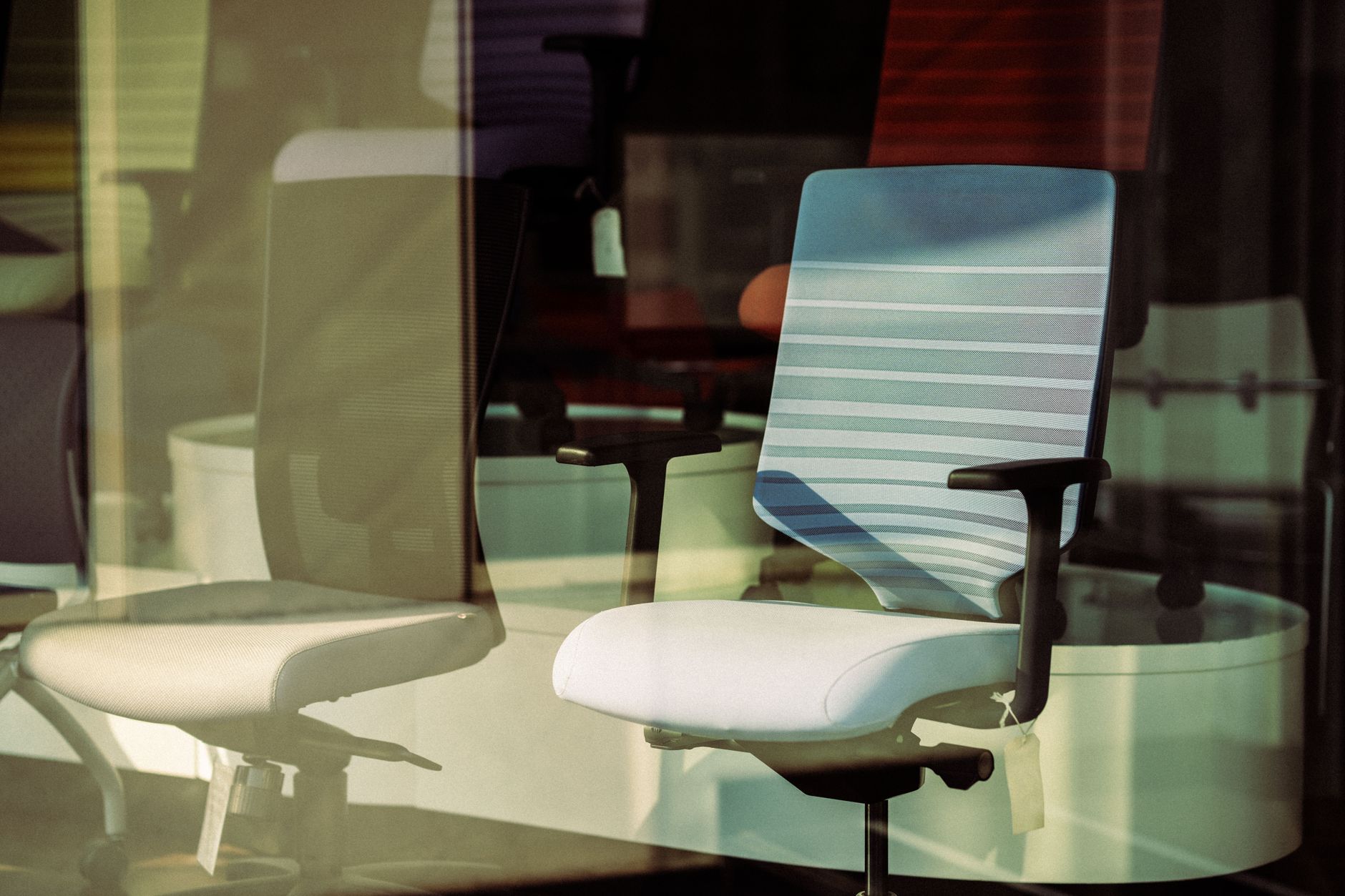
Sitting with your feet dangling or tucked under a chair puts extra load on your thighs, hips, and lower back. Many office chair users never realize that the seat pan height is the first thing to check before adding a footrest. The right seat height lets your feet rest flat on the floor while your knees stay level with your hips. When that is not possible, a footrest becomes a primary support tool. This guide covers the best footrests for office chairs in 2026 and how to position one for seated posture. It pairs well with our best ergonomic chairs 2026 guide.
The human body is not designed for long periods of static sitting. Pelvic tilt, thigh pressure, and spinal loading change when your legs are unsupported. A footrest can restore a neutral lower body position and reduce pressure on the back of the thighs. Before you buy, think about your chair, your desk, and your body dimensions. Our how to set up ergonomic workstation guide explains the full setup sequence, but this article focuses on foot support.
For 2026, the best footrests are not one-size-fits-all. Some workers need a soft foam wedge for constant support. Others need a rocking platform to keep the ankles and calves moving. This article compares top picks and explains the research behind foot support. We reference guidelines from OSHA and Cornell University Ergonomics Web to keep the advice grounded.
| Product | Type | Best For | Price |
|---|---|---|---|
| Everlasting Comfort Office Footrest | Foam wedge | Soft support and washable cover | check price |
| ComfiLife Foot Rest | Foam wedge | Shorter users and nonslip stability | check price |
| HUANUO Adjustable Footrest | Adjustable platform | Height and angle control | check price |
| StrongTek Foot Rest | Rocker | Active foot movement | check price |
| Mind Reader Foot Rest | Platform | Budget-friendly desk support | check price |
Why Does Foot Support Matter for Seated Posture?

Your feet are the base of your seated posture. When they dangle, your pelvis rotates backward and your lumbar spine flattens. That posture increases disc pressure and can trigger lower back pain over time. According to the Bureau of Labor Statistics, musculoskeletal disorders accounted for roughly 30 percent of all days-away-from-work cases in private industry during 2021 and 2022. OSHA ergonomics guidance identifies repeated awkward postures, including unsupported legs, as a risk factor for these injuries.
A footrest helps keep the knees and hips near 90 degrees. This position reduces pressure on the underside of the thighs and supports the natural curve of the lower back. Cornell University Ergonomics Web suggests that a footrest of 2 to 6 inches often solves the problem when a chair’s seat pan is too high. Without that support, many workers shift forward, perch on the edge of the chair, or cross their legs. Those habits can compress the sciatic nerve and reduce circulation. For a deeper look at how sitting triggers spine pain, see our back pain from sitting guide.
What Types of Footrests Are Available in 2026?

Footrests fall into a few broad groups. Foam footrests are the most common budget option. They use a firm polyurethane or memory foam core and often include a removable washable cover. Rocker footrests have a curved bottom that lets you tilt your feet forward and back. Adjustable platform footrests offer multiple height and angle settings, which is helpful if you switch between sitting and standing. Under-desk hammocks have gained popularity, but they provide less stable support for all-day keyboard work.
Many workers choose a rocker footrest because it keeps the ankles moving during long calls and typing blocks. Movement helps blood flow and may reduce the feeling of heavy legs by the end of the day. Foam wedges are better if you want a simple, fixed position that does not slide. If you use a sit-stand setup, a footrest can still help during seated intervals. Our best standing desk converter 2026 sit stand on a budget guide explains how seating and standing intervals work together.
How Do You Choose the Right Footrest Height and Angle?
Start by measuring from the floor to the crease behind your knee while seated. That measurement is your popliteal height. The ideal footrest height is roughly the difference between your seat pan height and that measurement. For example, if your chair’s seat height is 20 inches and your popliteal height is 16 inches, a 4 inch footrest usually works best. Cornell University Ergonomics Web publishes a detailed seat height calculator and footrest measurement guide for this exact step.
Height is not the only factor. A fixed incline between 10 and 20 degrees can shift your ankles slightly and reduce calf strain. Adjustable footrests should allow fine tuning because shoes and flooring change the effective height. A chair with a seat depth that is too deep can also affect how your knees sit. Review the chair fit advice in our best ergonomic chairs under 500 guide before assuming the footrest is the only issue.
- Measure your popliteal height before ordering a footrest.
- Choose a fixed incline of 10 to 20 degrees if you prefer a foam wedge.
- Adjustable models should allow at least three height positions between 3 and 8 inches.
Which Footrests Are Best for Office Chairs in 2026?
Three models stand out for 2026. The Everlasting Comfort Office Footrest is a strong foam choice with a contoured top and a washable cover. The ComfiLife Foot Rest uses high density foam and a nonslip bottom, which makes it reliable for shorter users. For adjustable platform support, the HUANUO Adjustable Footrest offers multiple height and angle settings. These three cover the most common seated work patterns in 2026.
Rocker and compact options are also useful, but they suit fewer body types or desk layouts. Always compare the product dimensions against your under-desk space. The table below summarizes the top picks and links to current pricing.
How Should You Position a Footrest Under Your Desk?

Place the footrest flat on the floor, close enough to your chair that your knees stay over your ankles. Your feet should rest fully on the surface, not just the toes or heels. Avoid pushing the footrest too far forward. That forces your knees to extend and your pelvis to tilt. The goal is a relaxed lower body, not a forced stretch.
Once the footrest is in place, adjust your chair height so your thighs are parallel to the floor and your elbows can reach the desk without shrugging. Some desks are too high for smaller users even with a footrest. In that case, pair the footrest with a height-adjustable desk or a keyboard tray. Our home office ergonomic mistakes neck back pain article walks through common setup errors. Also check the depth of your seat pan. If the front edge presses into your knees, a footrest will not fully fix the discomfort.
What Common Footrest Mistakes Should You Avoid?
One common mistake is buying a footrest before checking seat height. If your chair can lower enough for your feet to rest flat on the floor, a footrest may not be necessary. Another mistake is choosing a soft pillow or yoga block that compresses too much. A footrest should be firm enough to support your feet without collapsing. The same is true for under-desk hammocks that swing, which may feel good but do not provide the stable base needed for precise typing.
Height matters more than brand. A footrest that is too tall forces your knees above your hips, which increases lumbar flexion and can worsen low back pain. A footrest that is too low may not remove the pressure from your thighs. Test different heights before committing to a fixed model. If your workspace changes throughout the day, an adjustable platform is usually the safer choice.
How Does a Footrest Help With Standing Desk Transitions?
A footrest is not just for sitting. If you use a sit-stand desk, a footrest gives you a natural place to shift your weight and change posture while standing, which reduces fatigue in the lower back and legs. Many people alternate one foot on the footrest, then the other, which encourages subtle movement instead of locking into a single stiff position. This is the same reason anti-fatigue mats and angled foot rails are popular in industrial and retail settings where workers stand for long stretches.
For a standing desk, look for a footrest with a slight incline and a non-slip surface so it stays put when you rest your foot on it. A small rocker or balance board can serve a similar purpose, though it is a different tool than a static footrest and requires more core engagement. The takeaway is that foot support matters in both postures. If you split your day between sitting and standing, a quality footrest under the desk remains useful even during the standing portions.
Frequently Asked Questions
Do I need a footrest if my feet already touch the floor?
No. If your feet rest flat on the floor and your knees are at about 90 degrees, a footrest is not required. Footrests help when your chair seat cannot lower enough or when your desk height forces a higher seat position.
What footrest height is best for a 5 foot 4 inch user?
It depends on the seat pan height. Measure from the floor to the crease behind your knee. The footrest height should fill the gap between that measurement and the seat height. Most shorter users need a footrest between 4 and 8 inches tall.
Are rocker footrests better than foam footrests?
Both can work. Rocker footrests encourage ankle movement and may help leg circulation. Foam footrests provide stable, consistent support. Choose based on whether you prefer static support or subtle movement.
Can a footrest help with lower back pain?
Yes. A properly sized footrest helps keep your pelvis neutral and reduces pressure on the back of your thighs. This can lower lumbar strain during long sitting sessions. It is not a substitute for regular movement and exercise.
How often should I use a footrest during seated work?
Use it whenever your chair seat is too high for your feet to rest flat. Even during short seated intervals, consistent foot support helps maintain neutral lower body alignment.
What is the best footrest material for long hours?
High density foam, firm plastic, or wood with a nonslip surface all work well. Avoid soft pillows, memory foam that flattens, or unstable inflatable designs because they reduce stable support.
What Should You Remember?
- Measure first: Check your popliteal height before choosing a footrest.
- Look for stability: A firm base and nonslip surface prevent sliding.
- Match the height: Your knees should stay near 90 degrees with feet flat.
- Consider movement: Rocker footrests can improve leg circulation during long sits.
- Use with a proper chair: Pair your footrest with a well-adjusted ergonomic chair.
- Avoid soft pillows: They compress and do not provide reliable support.
- Adjust over time: Recheck footrest height if you change shoes, chair, or desk.
This article is for general information only and is not medical advice. Ergonomic guidance varies by body type and underlying conditions. Consult a physician or physical therapist for persistent pain before changing your workstation.