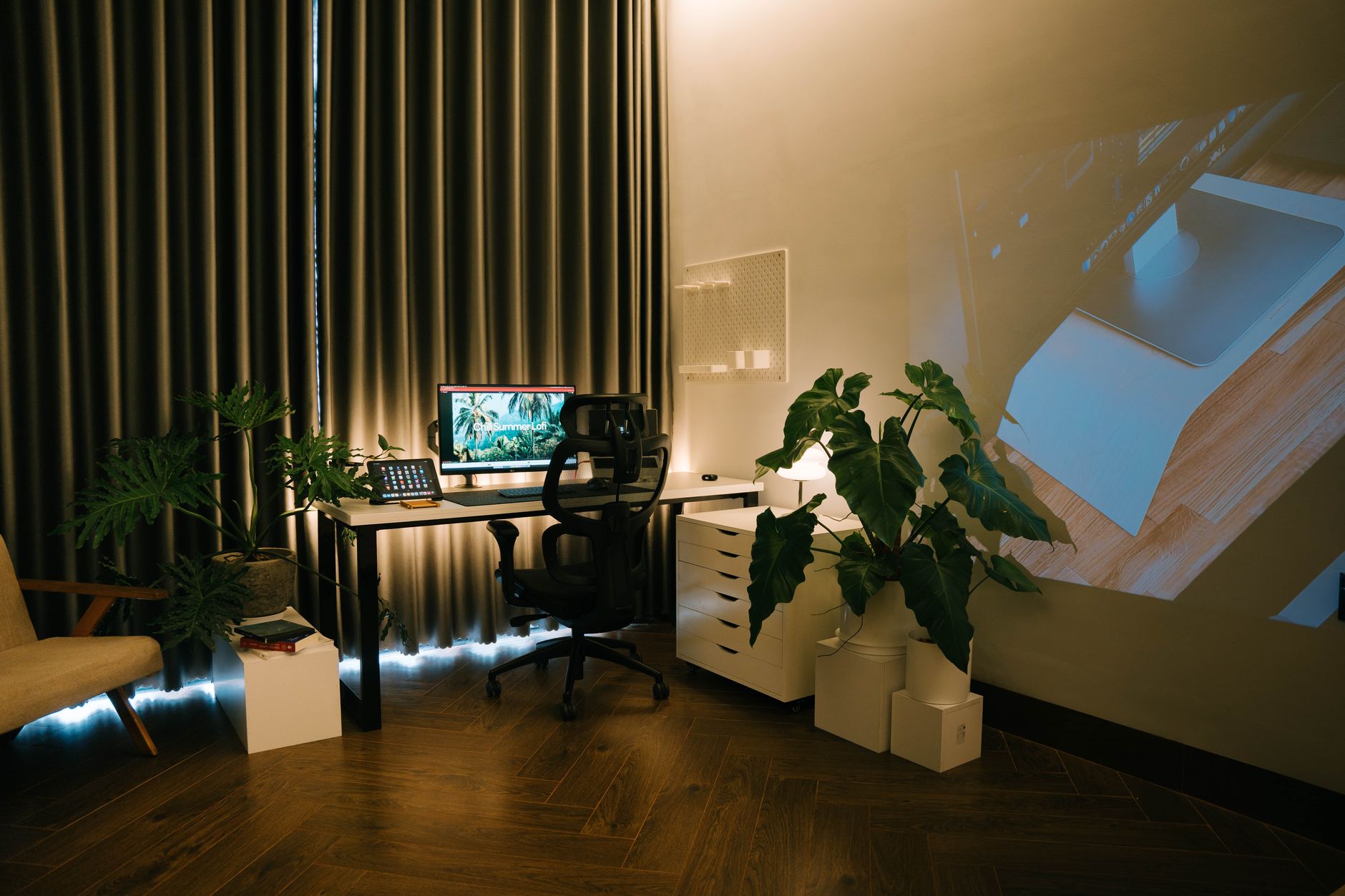
Most office desks sit 29 to 30 inches off the floor, and most task chairs top out around 19 inches at the seat. Match those two numbers and you get a workable setup. Raise the surface to 36, 40, or 42 inches for a drafting table, a lab bench, a standing desk, or a sit-stand converter, and the chair underneath becomes the problem. Your shoulders shrug, your wrists cock upward, and your feet leave the floor. A drafting chair solves it with a longer gas cylinder, usually lifting the seat somewhere between 22 and 33 inches. Cornell University’s Ergonomics Web has published the same core rule for years: feet flat, knees near 90 degrees, elbows level with the work surface. A drafting chair is simply a chair built to hit that rule at a taller height. Read our ergonomic workstation setup guide before you blame the chair for anything.
The differences between a drafting chair and a standard task chair come down to four parts: cylinder length, foot ring, backrest height, and base width. A drafting chair uses a tall-lift cylinder, often 8 to 14 inches of travel, which is why many top out near 32 or 33 inches and bottom out near 22. That range matters more than any marketing claim. A chair that starts at 26 inches is useless if your bench is only 34 inches tall. Foot rings matter too. Once the seat passes about 24 inches, your feet stop reaching the floor, and a ring gives them a place to land. Wider five-star bases keep the chair from tipping at full extension. If you are pairing a tall chair with a motorized desk, see our standing desk picks for surfaces that actually reach 45 inches or more.
We compared five drafting chairs on measurements, not vibes. Every pick was scored on seat height range, weight capacity, warranty length, backrest adjustability, and how easy the foot ring and arms are to live with. OSHA’s ergonomics guidance starts with the same principle: adjust the workstation to the worker, then adjust the chair to the task. That means the surface height sets the target, and the chair has to reach it. A drafting chair with a 5-inch range cannot serve both a 34-inch counter and a 42-inch standing desk. Two of the five chairs here cover 10 inches or more of travel. One is a saddle seat with no backrest at all, built for active sitting rather than leaning. One is a budget pick that does the basics for less. We also flagged the failures, because a bad drafting chair is worse than no drafting chair. Read our rundown of home office ergonomic mistakes and you will see why.
Who actually needs one? Anyone whose work surface sits above 34 inches. That includes drafters at tilted tables, dental hygienists, lab technicians, architects, standing desk users who want to perch instead of stand, and anyone with a sit-stand converter on a kitchen counter. It also includes tall workers whose knees hit a standard desk because the seat sits too low. What a drafting chair will not fix is a workstation that was never set up properly. Height is only one variable. Monitor distance, keyboard angle, and floor support all pull on the same back and neck. Mayo Clinic and other clinical sources point to prolonged static sitting as a driver of low back discomfort, and the fix is movement plus geometry. Our guide to back pain from sitting covers the rest.
How Do the Top Options Compare?
| Drafting chair | Best for | Seat height range | Weight capacity | Warranty | Price |
|---|---|---|---|---|---|
| Herman Miller Aeron Stool | All-day adjustability | About 25 to 30.5 in | 300 lb (350 lb size C) | 12 years | Check price |
| Steelcase Leap Stool | Long sit sessions | About 22 to 32 in | 400 lb | 12 years | Check price |
| Bambach Saddle Seat | Active sitting | About 18 to 30 in by model | About 300 lb | Varies by model | Check price |
| Alera Elusion Drafting Stool | Value build | About 25 to 33 in | 275 lb | 5 years | Check price |
| Flash Furniture HERCULES Drafting Stool | Tight budgets | About 26 to 30 in | 250 lb | 2 years | Check price |
Seat height ranges are manufacturer figures and can shift by an inch or more between model years, cylinder options, and glides versus casters. Always measure your work surface first, then confirm the chair’s published range with the seller before ordering. Weight capacities are per-chair ratings, not a suggestion to buy at the limit.
1. Herman Miller Aeron Stool , Best overall drafting chair
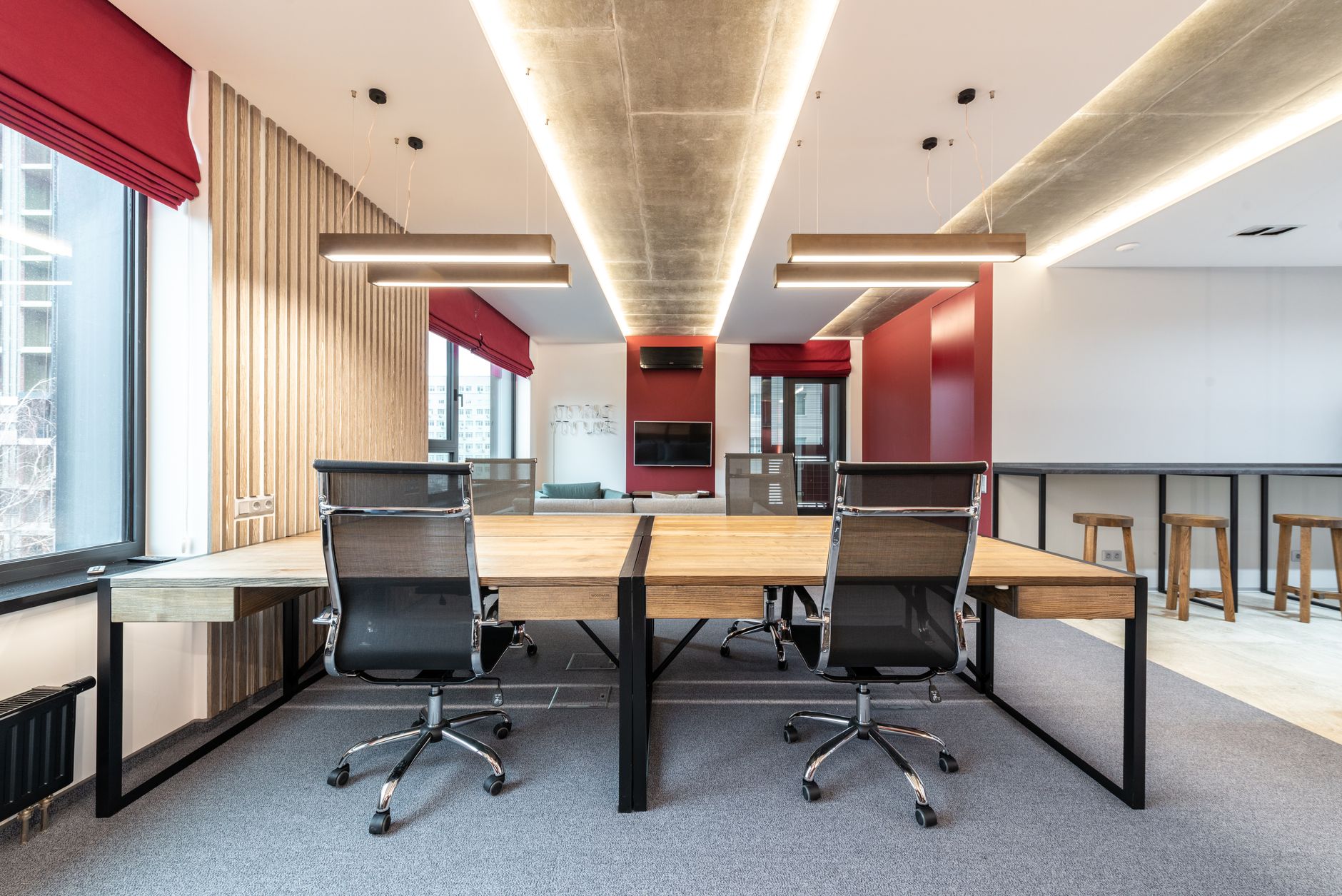
Herman Miller’s Aeron Stool is the desk chair you already know, mounted on a taller cylinder. The 8Z Pellicle mesh spreads pressure across eight zones, and the stool keeps the same three-size system as the desk version. Seat height runs from roughly 25 inches to 30.5 inches on a size B, which puts a six-foot user’s elbows level with a 42-inch counter. Sizes A and B are rated to 300 lb, size C to 350 lb. Every frame, cylinder, and tilt mechanism carries a 12-year warranty, the longest coverage in this group. Check the Herman Miller Aeron Stool on Amazon.
Adjustability is where the Aeron earns its keep. PostureFit SL pads support the sacrum and the lumbar curve separately, the tilt limiter caps how far back the chair leans, and the arms move up and down and pivot inward. Set the seat height first, then arm height so your forearms rest level with the bench, then tilt tension last. The mesh back needs no lumbar dial because the frame itself flexes with you. The chair also breathes. In a warm lab or a sunlit studio, that matters more than any spec sheet line.
Two honest complaints. The seat edge is firm, and because seat depth is fixed per size, shorter users in a size C feel it behind the thighs. There is no headrest option, so this is not a chair for leaning back between tasks. The stool weighs about 45 lb and sits on a wide five-star base that stays planted at full height. If your legs dangle at 30 inches, add a footrest or use the foot ring that ships on most stool configurations.
The sizing decision is the real test. Sit in an A if you are under about 5 foot 4. Go B for most adults between 5 foot 4 and 6 foot. Choose C above 6 foot 2 or for wider frames. Buying the wrong size costs you the seat depth you cannot adjust later, and that is the one flaw the 12-year warranty will not cover.
Key strengths:
- ✅ Seat height range of about 5.5 inches covers tall benches and 42-inch counters
- ✅ 12-year warranty on the frame, cylinder, and tilt mechanism
- ✅ Three frame sizes plus PostureFit SL lumbar support
- ✅ Breathable 8Z Pellicle mesh stays cool through a full shift
- ✅ Wide five-star base stays stable at maximum height
- ❌ Highest cost in this group by a wide margin
- ❌ Seat depth is fixed by frame size and cannot be adjusted
- ❌ No headrest option for reclined breaks
Who it’s for: Choose the Aeron Stool if you sit at a 40 to 43 inch surface all day and want the longest warranty and the widest range of fine adjustments.
2. Steelcase Leap Stool , Best for long sit sessions
The Leap Stool takes Steelcase’s LiveBack backrest, which changes shape as your spine moves, and puts it on a tall cylinder. Seat height adjusts from about 22 inches to 32 inches, a 10-inch spread that covers drafting tables, lab benches, and most standing desks without a second chair. The frame is rated to 400 lb, the highest capacity here, and Steelcase backs it with a 12-year warranty. Expect roughly 60 to 65 lb on the shipping label, which is heavy but also why it does not wobble at full extension. Check the Steelcase Leap Stool on Amazon.
The Leap’s seat depth slider moves about 2.5 inches, which is the feature the Aeron lacks. Shorter users can pull the seat pan in, taller users push it out, and both get thigh support without a size gamble. The lumbar firmness adjusts independently, the back stop limits recline to a fixed point, and the arms move in four directions including width. That width adjustment is what lets you clear a narrow bench apron or a keyboard tray frame. Pair the chair with a footrest if you sit near the top of the range, and our footrest picks cover the ones that stay put on hardwood.
What you give up is airflow. The Leap is upholstered fabric over foam, so it runs warmer than a mesh chair in a closed room. It is also heavy enough that moving it between rooms is a two-hand job, and the wide base catches chair mats and rug edges. The price sits in the same tier as the Aeron, so this is not a budget answer.
For anyone logging eight or nine hours at a tall station, the seat depth slider and the LiveBack flex are the two features that keep you comfortable past hour four. If your day is shorter or you run warm, the mesh options below make more sense.
Key strengths:
- ✅ 10 inches of seat height travel, roughly 22 to 32 inches
- ✅ 400 lb weight rating, the highest in this comparison
- ✅ Seat depth slider moves about 2.5 inches for proper thigh support
- ✅ LiveBack backrest flexes with the spine through the day
- ✅ 12-year warranty matches the Aeron
- ❌ Fabric and foam upholstery runs warmer than mesh
- ❌ At 60 lb or more, it is awkward to move between rooms
- ❌ Wide base catches on rugs and chair mat edges
Who it’s for: Pick the Leap Stool if you sit for eight or more hours at a tall bench and want adjustable seat depth plus the highest weight rating available.
3. Bambach Saddle Seat , Best for active sitting
The Bambach Saddle Seat is not a chair in the usual sense. It is a shaped saddle on a gas cylinder, with no backrest and a seat that tilts you forward. The shape opens your hip angle to roughly 135 degrees, which lets your pelvis stay upright and your lumbar curve hold its natural shape without a lumbar pad pushing it there. Bambach has sold these to dental hygienists, surgeons, sonographers, and lab technicians since the 1980s, largely because those jobs involve leaning over work for hours at a time.
Height range depends on the model and cylinder you order. Standard versions cover roughly 18 to 24 inches, while taller cylinders reach into the low 30s for bench and standing desk work. Most models handle around 300 lb. The seat is small and the base is narrower than a five-star office base, so the footprint is a fraction of the Leap’s. Your feet stay flat on the floor or on a ring, and the seat encourages small shifts in position all day rather than one locked posture. Check the Bambach Saddle Seat on Amazon.
This is where the honesty comes in. There is a learning curve of roughly two to four weeks. Your core works harder because there is no backrest to slump against, and the first few days feel strange. Some users get pressure under the sit bones until they build tolerance. Add the optional backrest kit if you want something to lean on during phone calls, and budget for the cost, which lands in the premium tier despite the simple shape.
Buy one if your work is procedural, you move your torso forward and back constantly, and you want a chair that follows you instead of holding you still. Skip it if you want to recline during meetings or have existing tailbone sensitivity.
Key strengths:
- ✅ Open hip angle of about 135 degrees keeps the lumbar curve neutral
- ✅ Small footprint fits tight lab bays and cramped home corners
- ✅ Encourages constant micro-movement instead of one static posture
- ✅ Widely used in dental, surgical, and sonography settings
- ✅ Height cylinders available for bench and standing-desk heights
- ❌ Two to four week adjustment period before it feels natural
- ❌ No backrest on the base model, so no reclining
- ❌ Premium price for a seat with no arms or headrest
Who it’s for: Choose the Bambach if your job is hands-on and forward-leaning, and you want active sitting rather than a backrest to lean into.
4. Alera Elusion Series Mid-Back Drafting Stool , Best value mid-range drafting chair
The Alera Elusion drafting stool gives you the shape of a real drafting chair at a mid-range price. The mesh back sits over a padded fabric seat, the arms adjust in height, and the seat height runs from roughly 25 inches to 33 inches, an 8-inch spread that covers most standing desks and drafting tables. Weight capacity is 275 lb and the warranty runs 5 years on the frame and mechanism. A height-adjustable foot ring clamps to the cylinder, which is the detail budget chairs usually skip. Check the Alera Elusion Drafting Stool on Amazon.
Where it competes: tilt tension, pneumatic height, mesh back, adjustable foot ring, and arms that lift out of the way. Where it gives ground: the arm pads are thin, the base is plastic rather than polished aluminum, and the mesh back has no adjustable lumbar depth. The seat cushion is firm out of the box and softens after a few months of daily use. None of those are dealbreakers at this tier, but know what you are buying.
At 33 inches, the foot ring becomes load-bearing, not decorative. Your feet rest on it for most of the day, so check that it clamps tight and does not slide down the cylinder. Add a hard floor mat under the casters if you sit on wood or tile, since soft casters drag and the roll resistance pushes the base around. Our desk mat picks cover the sizes that fit a drafting base.
This is the pick for a first drafting chair, a second workstation, or a home office where the chair shares space with a standing desk. It does 80 percent of what a premium stool does for a fraction of the outlay.
Key strengths:
- ✅ Seat height spans roughly 25 to 33 inches, about 8 inches of travel
- ✅ Adjustable foot ring clamps to the cylinder instead of sitting fixed
- ✅ 5-year warranty at a mid-range price
- ✅ Mesh back and padded seat balance airflow with cushioning
- ✅ Arms adjust in height and lift clear of a bench
- ❌ Plastic base and thin arm pads feel cheaper than premium stools
- ❌ No adjustable lumbar depth on the mesh back
- ❌ Seat foam compresses noticeably within the first year
Who it’s for: Buy the Alera Elusion if you want a real drafting chair with a foot ring and a 5-year warranty without paying premium prices.
5. Flash Furniture HERCULES Series Drafting Stool , Best budget drafting chair

The Flash Furniture HERCULES drafting stool is the entry point. Seat height runs about 26 to 30 inches, the frame holds 250 lb, and the warranty typically covers two years on the frame. You get a padded seat, a mesh or fabric back depending on the model, a foot ring, and flip-up arms that clear a bench or tuck under a counter. For a spare workstation, a garage bench, or a first tall chair on a tight budget, it does the job. Check the Flash Furniture HERCULES Drafting Stool on Amazon.
Now the compromises, and there are several. The 4-inch height range is the narrowest here, so measure your surface before ordering. The seat padding is thin and flattens with daily use. The gas lift is the part that fails first, often within two to three years of eight-hour days, and the backrest has no adjustable lumbar depth or height. The arms flip up but do not adjust in height, so they either line up with your bench or they do not.
None of that makes it a bad chair. It makes it a cheap chair with a short service life. If you sit four hours a day at a 36-inch counter and you want to spend as little as possible, the math works. If you sit eight hours at a 42-inch standing desk, save longer and buy the Alera or the Steelcase instead, because the cylinder and the cushion will both give out before the warranty does.
One upgrade worth making on day one: a foot ring that clamps firmly. On budget stools the ring is often the loosest part out of the box, and a slipping ring turns a decent chair into a fidget machine.
Key strengths:
- ✅ Lowest cost of any chair in this comparison
- ✅ Flip-up arms clear a bench or slide under a counter
- ✅ Padded seat and foot ring included at the base price
- ✅ Light enough for one person to move between rooms
- ❌ Only about 4 inches of seat height adjustment
- ❌ Gas lift often sags within two to three years of daily use
- ❌ No lumbar depth or height adjustment on the backrest
Who it’s for: Pick this stool if you need a tall seat for light, part-time use at a 34 to 36 inch surface and cost is the deciding factor.
Frequently Asked Questions
What is the difference between a drafting chair and a regular office chair?
The main difference is cylinder length. A drafting chair lifts the seat to roughly 22 to 33 inches instead of the 16 to 20 inches of a standard task chair. Most drafting chairs also add a foot ring, since your feet stop reaching the floor once the seat passes about 24 inches.
What seat height do I need for a standing desk?
Measure your standing desk at its seated height setting, then subtract about 8 to 10 inches. A 42 inch surface usually pairs with a seat height near 30 to 32 inches. If your desk sits at 36 inches when lowered, a drafting chair with a 26 to 30 inch range is enough.
Do drafting chairs work with a standing desk converter?
Yes, and they often work better than a standard chair. A converter raises your keyboard and monitor but leaves your desk at normal height, so the seat stays low. If you raise the converter onto a taller counter or desk, a drafting chair brings your elbows back to level.
Is a foot ring really necessary on a drafting chair?
Above about 24 inches at the seat, yes. Dangling feet pull on the low back and cut circulation behind the thighs. A foot ring gives you a stable platform, and an adjustable one lets you change the height as you change the seat.
Can a drafting chair help with back pain?
It can help if your pain comes from a mismatched workstation, where your surface is too tall and the chair is too low. It will not fix pain caused by sitting too long without breaks. Adjust the chair to the surface, then build in standing and walking breaks every 30 to 60 minutes.
How long should a drafting chair last?
Warranty length is the best proxy. Herman Miller and Steelcase cover their stools for 12 years, mid-range brands for about 5, and budget models for roughly 2. The gas cylinder is usually the first part to fail, followed by seat foam and arm pads.
What Should You Remember?
- Measure your surface first. A drafting chair only works if its seat height range reaches your bench, counter, or standing desk height.
- Check the range, not the top number. A chair that spans 26 to 30 inches is useless at a 34-inch counter even if it sounds tall.
- Foot rings are not optional. Once the seat passes 24 inches, feet need a platform to stop low back strain and leg pressure.
- Warranty length tracks build quality. 12 years on Herman Miller and Steelcase, about 5 on mid-range options, roughly 2 on budget stools.
- Seat depth adjustment beats extra padding. A 2.5-inch depth slider solves fit problems that foam cannot.
- Saddle seats suit active work. They open the hip angle and remove the backrest, which helps procedural jobs and hurts recliners.
- No chair replaces movement. Match the geometry, then stand, stretch, and walk every 30 to 60 minutes.
This article is for general information only and is not medical advice. Ergonomic guidance varies by body type and underlying conditions. Consult a physician or physical therapist for persistent pain before changing your workstation.