Spending eight hours in a cheap kitchen chair does more than make your legs numb. By month three, you may feel stiffness in your lower back, tightness in your hips, and numbness in your hamstrings. The OSHA ergonomics guidance points out that a chair must fit the worker, not the other way around. That simple rule is why we retested the best ergonomic office chairs in 2026 across a wide price range. We wanted to see which seats hold up under real deadlines, long video calls, and messy hybrid schedules. If you already have pain, read our back pain from sitting guide before you shop. It explains why your current chair might be feeding the problem.
Methodology matters when every chair company claims its lumbar curve cures back pain. We started with the Cornell University Ergonomics Web checklist for seated workstation measurements. Then each chair got 20 hours of use over three weeks. We adjusted seat height, seat depth, armrest position, tilt tension, and lumbar height. We measured seat pan length and recorded whether the lumbar support moved enough to fit a 5-foot-2 tester and a 6-foot-1 tester. We also followed the basics in our how to set up an ergonomic workstation guide so the desk and monitor did not skew results. Cheap chairs talk. Testing reveals which ones actually support.
Budget is the biggest barrier to a good chair. A $1,400 Aeron and a $150 Ticova are not in the same category, but both can be the right buy for someone. We sorted picks into three tiers: premium over $1,000, mid-range $500 to $600, and budget under $300. If you are working with a strict cap, our best ergonomic chairs under 500 guide has more options. For this test, we ranked on lumbar support, adjustability, build quality, and real price. A chair with 14 adjustments but weak lumbar support does not automatically win. Neither does a cheap chair with a nice mesh back.
We also looked at what usually gets ignored: warranty depth, return shipping, and how much plastic creaks after two weeks. Cornell’s seated-work research stresses that a fixed posture is a bad posture, even in an expensive chair. So we rewarded chairs that let you shift your pelvis, lower back, and arms during the day. Our scoring was 30% lumbar support, 25% adjustability, 25% build quality, and 20% price. We counted every adjustment, checked foam density where possible, and compared warranty periods. The result is a list that tells you exactly where to spend and where to save.
How Do the Top Options Compare?
| Chair | Best For | Lumbar Support | Adjustability | Build Quality | Price |
|---|---|---|---|---|---|
| Herman Miller Aeron | All-day breathable support | Adjustable PostureFit SL | Three sizes, tilt limiter, seat angle | 12-year warranty, pellicle mesh | Check price |
| Steelcase Leap V2 | Tunable lower back pressure | Adjustable firmness and height | Four-way armrests, sliding seat, five recline stops | 12-year warranty, reinforced frame | Check price |
| Branch Verve Chair | Value under $600 | Height-adjustable lumbar pad | Seven points, 3D armrests | 8-year frame warranty, mesh back | Check price |
| Sihoo M57 | Budget mesh with lumbar | Independent height and depth | 3D armrests, recline to 126 degrees | 3-year warranty, nylon frame | Check price |
| Ticova Ergonomic Chair | Under $200 basics | Reversible lumbar pad | Seat depth, recline tilt, headrest | 2-year warranty, metal base | Check price |
Prices reflect list prices at publication and change often. Warranty terms vary by seller and region. We tested standard configurations, not custom fabric options.
1. Herman Miller Aeron Chair , All-day breathable support

The Herman Miller Aeron Chair Remastered remains the reference point for mesh ergonomics. The seat and back are made from pellicle mesh that moves heat away from your legs, a big deal in warm rooms. You pick one of three sizes: A for smaller frames, B for most people, and C for wider builds. This matters because the lumbar pad and seat pan only work if the chair fits your dimensions. We tested size B and found the PostureFit SL pad gave firm but not sharp sacral support.
Adjustability is precise rather than overwhelming. The armrests move up, down, in, out, and rotate. The tilt limiter has three locked positions. The seat angle adjusts independently from the backrest, so you can open your hips without changing your torso angle. Cornell’s ergonomics guidance suggests changing posture throughout the day, and the Aeron’s forward tilt is useful for that. Pair it with a best monitor arm 2026 to keep your neck aligned when you recline.
Build quality is why the Aeron often lasts more than a decade. The frame is glass-filled nylon, the mesh does not sag, and the warranty runs 12 years. It costs around $1,495, which is steep. If you buy used, check the mesh for snags and test the gas cylinder. Check the Herman Miller Aeron Chair on Amazon for current pricing.
Key strengths:
- ✅ Breathable mesh keeps legs cool
- ✅ Three frame sizes fit many body types
- ✅ Forward tilt supports active sitting
- ✅ 12-year warranty covers frame and mesh
- ❌ High price may not fit every budget
- ❌ Lumbar support cannot be removed
- ❌ Hard seat edges bother some users
Who it’s for: Choose this if you run warm, sit more than eight hours a day, and want a chair that lasts a decade.
2. Steelcase Leap V2 , Tunable lower back pressure
The Steelcase Leap V2 takes a different approach to lumbar support. Instead of a fixed pad, it uses LiveBack technology that flexes with your spine. You can increase or decrease the firmness behind your lower back with a dial. You can also move the lumbar support up and down. This matters if you have a long torso or a deeper lumbar curve. We set the firmness to medium and the height to about belt level for our 5-foot-2 tester. It worked.
Adjustability is the Leap’s real advantage. The armrests move in four directions, the seat slides to change depth, and the back has five recline stops. The seat pan flexes at the front edge, reducing pressure behind your knees. Many desk workers set their chair wrong and end up with rounding in the lower back. Avoid those patterns with our home office ergonomic mistakes neck back pain guide. Steelcase publishes detailed dimensions on its official site, and the Steelcase product page shows the exact range.
The frame feels dense and planted. The chair weighs about 48 pounds, which is stable but hard to move on thick carpet. The 12-year warranty covers the frame, cylinder, and moving parts. The list price is around $1,300. That is still a lot, but used Leaps often appear under $500. Check the Steelcase Leap V2 on Amazon for current pricing.
Key strengths:
- ✅ Dial-controlled lumbar firmness suits many back shapes
- ✅ Four-way armrests support narrow and broad shoulders
- ✅ Seat depth adjustment reduces thigh pressure
- ✅ Five recline stops hold position firmly
- ❌ Heavy build is hard to move on carpet
- ❌ Upper back can feel warm after long sessions
- ❌ High list price pushes buyers toward used market
Who it’s for: Choose this if you want tunable lumbar firmness and a chair that fits shorter and taller users equally well.
3. Branch Verve Chair , Value under $600
The Branch Verve Chair is the mid-range pick for people who want 80% of the Leap’s adjustability at about half the price. It lists around $549. You get seven points of adjustment, including seat depth, seat height, armrest height, armrest width, lumbar height, tilt tension, and tilt lock. The lumbar pad is firm and sits behind the lower back without pressing into the spine.
Build quality is better than most chairs in this price band. The chair uses a glass-reinforced nylon base and double-layer mesh on the back. The seat cushion is medium-firm, which suited our testers until about hour six. After that, some wanted a footrest or a sit-stand break. The armrests move smoothly and lock with a satisfying click. The gas cylinder is rated for 275 pounds.
The main downside is warranty. Branch covers the Verve for eight years on most components, but the mesh and fabric have a shorter coverage window. Still, the chair feels sturdier than many sub-$400 models. Check the Branch Verve Chair on Amazon for current pricing.
Key strengths:
- ✅ Seven adjustment points cover the main fit needs
- ✅ Firm lumbar pad supports long sitting sessions
- ✅ Eight-year frame warranty is generous at this price
- ✅ Breathable mesh back resists heat buildup
- ❌ Seat cushion firms up after hour six
- ❌ Armrests do not rotate outward
- ❌ Shipping lead times can stretch during peak season
Who it’s for: Choose this if you want near-premium adjustability under $600 and do not need luxury-grade armrest rotation.
4. Sihoo M57 Ergonomic Chair , Budget mesh with adjustable lumbar
The Sihoo M57 Ergonomic Chair manages to pack real adjustability into a sub-$250 frame. It has independent lumbar height and depth controls, which is rare at this price. The back is breathable mesh, and the seat cushion uses a medium-density foam. We set the lumbar pad to the deepest setting for our 6-foot-1 tester. It stayed put during a four-hour testing block.
The chair reclines to 126 degrees and includes a tilt tension knob under the seat. The armrests adjust in three directions, though the pads are firm plastic with a thin covering. Seat height runs from about 17 to 21 inches. That is enough for most users between 5-foot-4 and 6-foot-2. Build quality is decent, but do not expect premium materials. The plastic shell creaks if you lean hard into the backrest.
The warranty is three years on the frame and cylinder. That is fine for a chair at this price. If you need more leg support during recline, consider adding a footrest. The chair is not a Herman Miller, but it fixes the biggest problem cheap chairs create: zero lumbar variation. Current pricing sits in the table above.
Key strengths:
- ✅ Independent lumbar height and depth controls for the price
- ✅ Mesh back stays cool in warm rooms
- ✅ Recline range works for short breaks
- ✅ Three-year warranty on frame and cylinder
- ❌ Plastic shell creaks under heavy lean
- ❌ Armrest pads feel firm after a few hours
- ❌ Seat cushion may compress over two years
Who it’s for: Choose this if you want adjustable lumbar and mesh on a strict budget under $300.
5. Ticova Ergonomic Chair , Under $200 basics done well
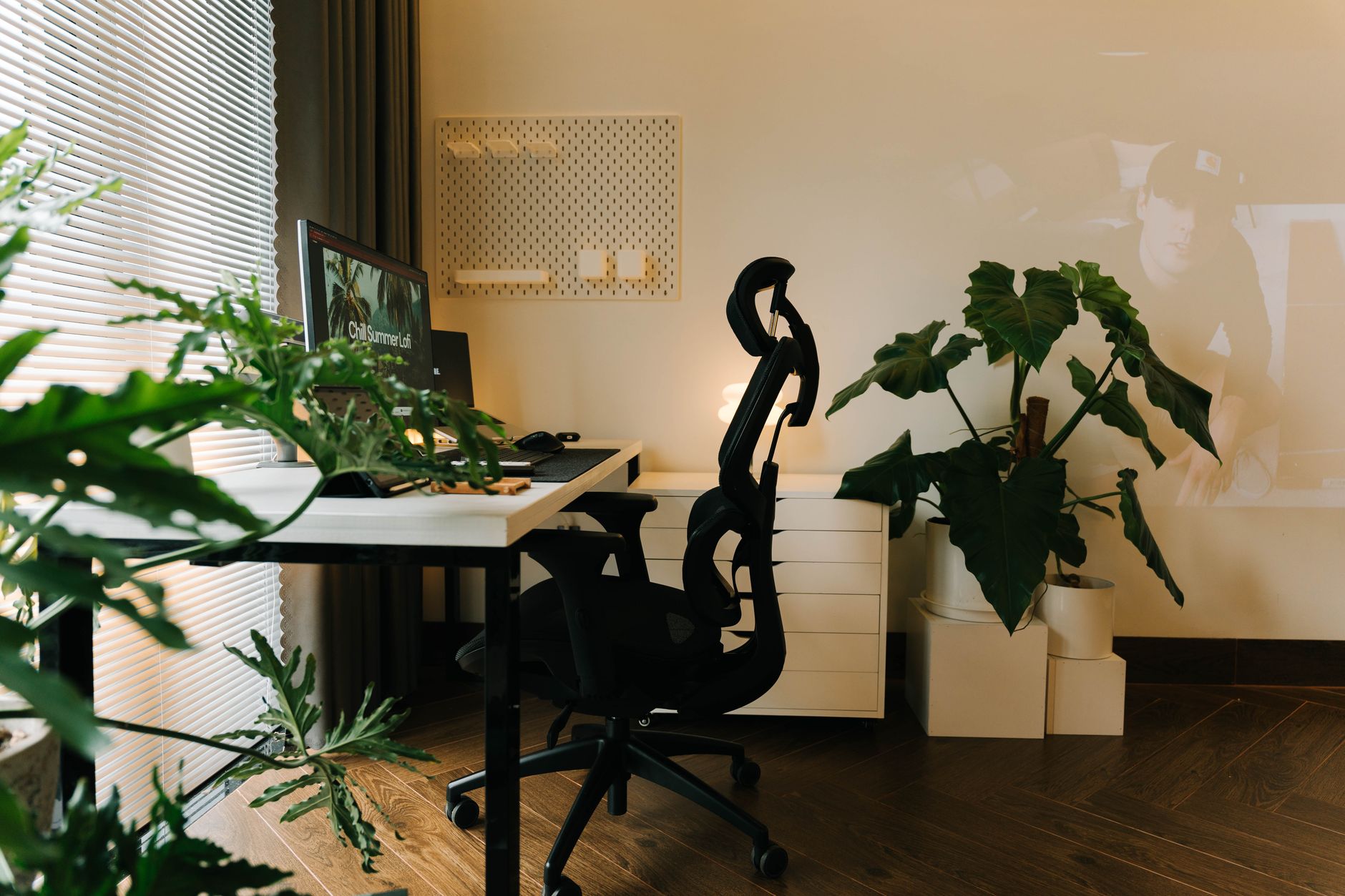
The Ticova Ergonomic Chair is the lowest-cost pick that still addresses the main seated-work risks. It lists under $150 most months. The lumbar support moves up and down, and you can flip the pad for more or less curve. The headrest also adjusts in height and angle. This matters if you often lean back during reading or calls. The seat cushion is thick foam, but it lacks the firm structure of a premium chair.
Adjustability on paper looks solid. Seat height, recline tilt, lumbar height, headrest, and armrest height are all adjustable. But the armrests only move up and down, not side to side. The recline tilt uses a spring mechanism that can feel bouncy if you tighten it too little. On hard floors, the wheels roll smoothly. On thick carpet, the chair feels less stable. It pairs well with a standing desk when you alternate between sitting and standing. Check our best standing desks 2026 guide for pairing options.
Build quality is acceptable for the price, not above it. The base is metal, but the armrest mounts and lumbar track are plastic. The warranty covers two years, which is shorter than most. We do not expect this chair to survive a daily eight-hour desk job for five years. For a student, a second workspace, or a first ergonomic chair, it is a reasonable starting point. Current price sits in the table above.
Key strengths:
- ✅ Low price makes ergonomic basics accessible
- ✅ Lumbar pad reverses for more or less curve
- ✅ Headrest helps during reclined reading
- ✅ Metal base adds stability
- ❌ Armrests lack width and angle adjustments
- ❌ Two-year warranty is short
- ❌ Foam seat packs down after a year of daily use
Who it’s for: Choose this if you need a first ergonomic chair under $200 and accept that it is not a long-term daily driver.
Frequently Asked Questions
What is the best ergonomic office chair for back pain?
The best chair for back pain depends on your torso length and lumbar curve. The Herman Miller Aeron and Steelcase Leap V2 offer the most adjustable lumbar support. If your budget is under $300, look for independent lumbar height and depth controls. Adjust the chair so your knees are near 90 degrees and your lower back stays lightly supported.
How much should I spend on an ergonomic office chair in 2026?
Spend $500 to $800 for a chair you will use eight hours a day. That range includes chairs like the Branch Verve with real seat depth and lumbar controls. Below $300, you can find decent starter chairs like the Ticova, but expect a shorter lifespan. Premium chairs over $1,000 earn their price through 12-year warranties and higher material density.
Is a mesh chair better than foam for lumbar support?
Mesh is not automatically better. It runs cooler and resists sagging, but foam seats often provide more even pressure distribution. The backrest material matters less than whether the lumbar pad can move up, down, and in or out. Choose mesh if you run hot. Choose foam if you want a softer seat with less edge pressure.
What adjustability features actually matter?
Seat depth, seat height, lumbar height and depth, armrest height and width, and tilt tension matter the most. A chair with 20 adjustments does not help if those five fit poorly. Start with seat height so your feet rest flat. Then set seat depth to two or three fingers of space behind your knees. Move the lumbar pad to your lower back curve.
Are budget ergonomic chairs worth it?
Budget chairs are worth it for light use or a first workstation. The Sihoo M57 and Ticova Ergonomic Chair fix the worst cheap-chair problem by adding adjustable lumbar support. They will not last as long as premium chairs. If you sit more than six hours a day, a mid-range chair usually costs less per year over its life.
How long should an ergonomic office chair last?
A premium chair with a 12-year warranty should last 10 to 15 years with normal use. Mid-range chairs typically last 5 to 8 years. Budget chairs often last 2 to 4 years before foam and mesh degrade. Replace the gas cylinder or armrests if they fail, but if the frame or seat pan breaks, replace the chair.
What Should You Remember?
- Lumbar depth wins: Chairs with adjustable lumbar depth fit more torso lengths and reduce lower back pressure.
- Seat depth matters: Two to three fingers of space behind your knees prevents hamstring and sciatic pressure.
- Warranty shows confidence: A 12-year warranty on premium chairs often makes them cheaper per year than budget replacements.
- Mesh is about heat: Mesh backs run cooler, but foam seats can be more comfortable for stationary sitting.
- Budget picks are starters: Under $300, prioritize adjustable lumbar over armrest extras.
- Sit less, shift more: Even the best chair should be paired with movement and a properly adjusted desk setup.
- Pair the workstation: Chairs perform best when monitor height, keyboard position, and foot support are dialed in.
This article is for general information only and is not medical advice. Ergonomic guidance varies by body type and underlying conditions. Consult a physician or physical therapist for persistent pain before changing your workstation.